
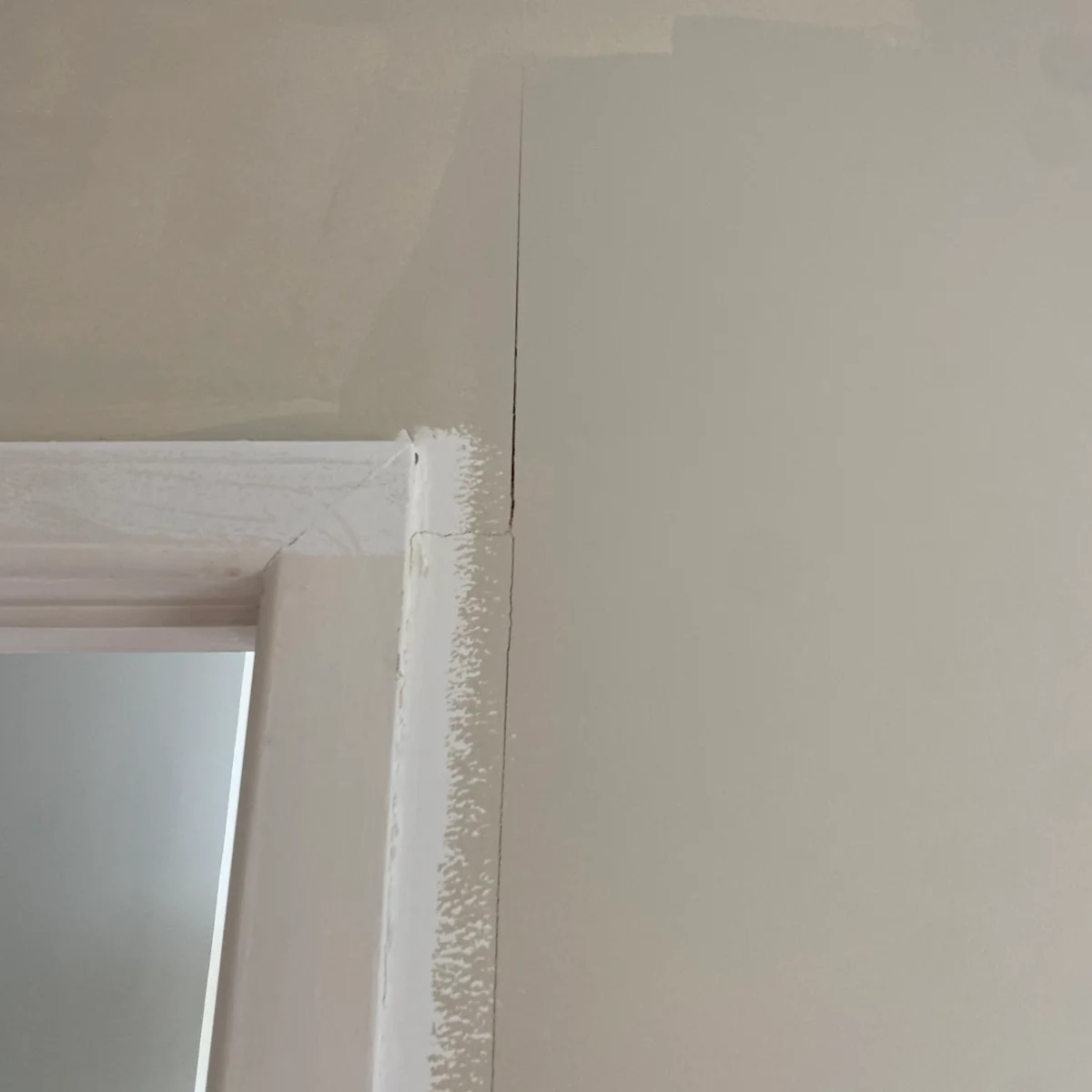
A crack is a clue, not a diagnosis. Record these five things before deciding what to do next.
I've spent 12 years under New Zealand houses, and the most common phone call I get starts with “there's a crack and I don't know if it's serious.” Here's the same first-pass logic I use, in plain language.
The five things that matter
1. Shape and direction. Fine vertical cracks in plasterboard can relate to finish, framing, moisture, or movement. Diagonal cracks from opening corners and stepped cracks through masonry are patterns worth recording and assessing in context; neither identifies a cause on its own. → stepped cracking explained
2. Width. Measure it consistently, but do not use a universal millimetre threshold as a diagnosis. Material, location, direction, change, and accompanying signs all affect what a measurement means. → hairline vs serious cracks
3. Change. Compare dated photographs of the same location if you have them. A new crack or a visible change is worth recording and may justify advice specific to your property. One old photograph does not establish that movement has stopped. If you do not yet know whether the crack is changing, take a clear wider photo and a close-up to establish a baseline; ask a suitable professional when, and whether, you should check again.
4. Related observations. Note any doors or windows that have begun sticking, uneven-feeling floors, gaps or other cracks, including when you first noticed them and where they are. Several observations together may warrant a wider inspection. They do not, by themselves, identify a common cause or prove a foundation problem. → sticking doors and uneven floors
5. Season and water. Record when you noticed the crack, recent weather and any nearby drainage features you can see safely. Ground moisture and drainage can matter for some properties, but timing alone cannot establish why a crack appeared. If you notice ponding or a downpipe discharging near the affected area, photograph it from a safe position and include it when seeking advice. Do not enter an unsafe subfloor or dig to investigate for this guide.
What next?
If you want to understand the scope of a first-pass photo report, view the BaseCheck sample before starting a report. A report based on submitted photographs cannot diagnose structural safety, confirm a cause or replace a site inspection. If you have been advised to observe a crack over time, use the repeat-photo guide and follow the interval and method agreed for your situation. Seek suitable professional advice promptly if you are worried about a significant or changing condition; do not wait for an app reminder.
When to act promptly
Be prompt (not panicked) if any of these apply: a stepped or diagonal crack that's new or growing; a sudden or substantial change; cracks appearing after an earthquake → post-quake checks; cracks along with doors/floors changing behaviour; or cracking in a house you're about to buy → building report says foundation issues.
When monitoring may be reasonable
Fine cracks at plasterboard joins and long-unchanged finish cracking may be less concerning than fresh, changing masonry cracks, but appearance alone cannot prove the cause. Photograph and date them, and get advice if the pattern changes or you are uncertain.